Punctual bus services are consistently among passengers' top priorities. In recent years, significant investment has been made in dedicated bus infrastructure to improve journey times. But what else can operators do to make the most of these investments and improve both the speed and reliability of bus services?
Dwell time refers to the time a vehicle remains stationary at a bus stop. It depends largely on how long passengers take to board and alight. Longer dwell times not only increase journey times but also affect service reliability.
When boarding a bus, some passengers are unsure which ticket they need, while others pay in cash and may not have the correct change. Contactless ticketing (cEMV) can speed up boarding by allowing passengers to simply tap their bank card or credit card to pay their fare. But how does this approach affect dwell times?
Tap-on ticketing introduces a new challenge for transport networks that charge fares based on zones or distance: passengers may also need to tap off before leaving the bus.
Once passengers have identified their stop, collected their belongings and reached the validator, they need to find the same card and tap off. In many systems, this is the same device used for tapping on.
Tapping off generally cannot begin until the bus has stopped. Meanwhile, boarding passengers may have to wait until everyone has tapped off and exited. This can further increase dwell times.
The Manchester Evening News reported that passengers who fail to tap out of Metrolink are charged an incomplete journey fare. Such charges do not count towards daily or weekly fare caps. In other systems, passengers who forget to tap off may automatically be charged the highest fare on the network. This creates additional work for customer service teams and can negatively affect passenger satisfaction.
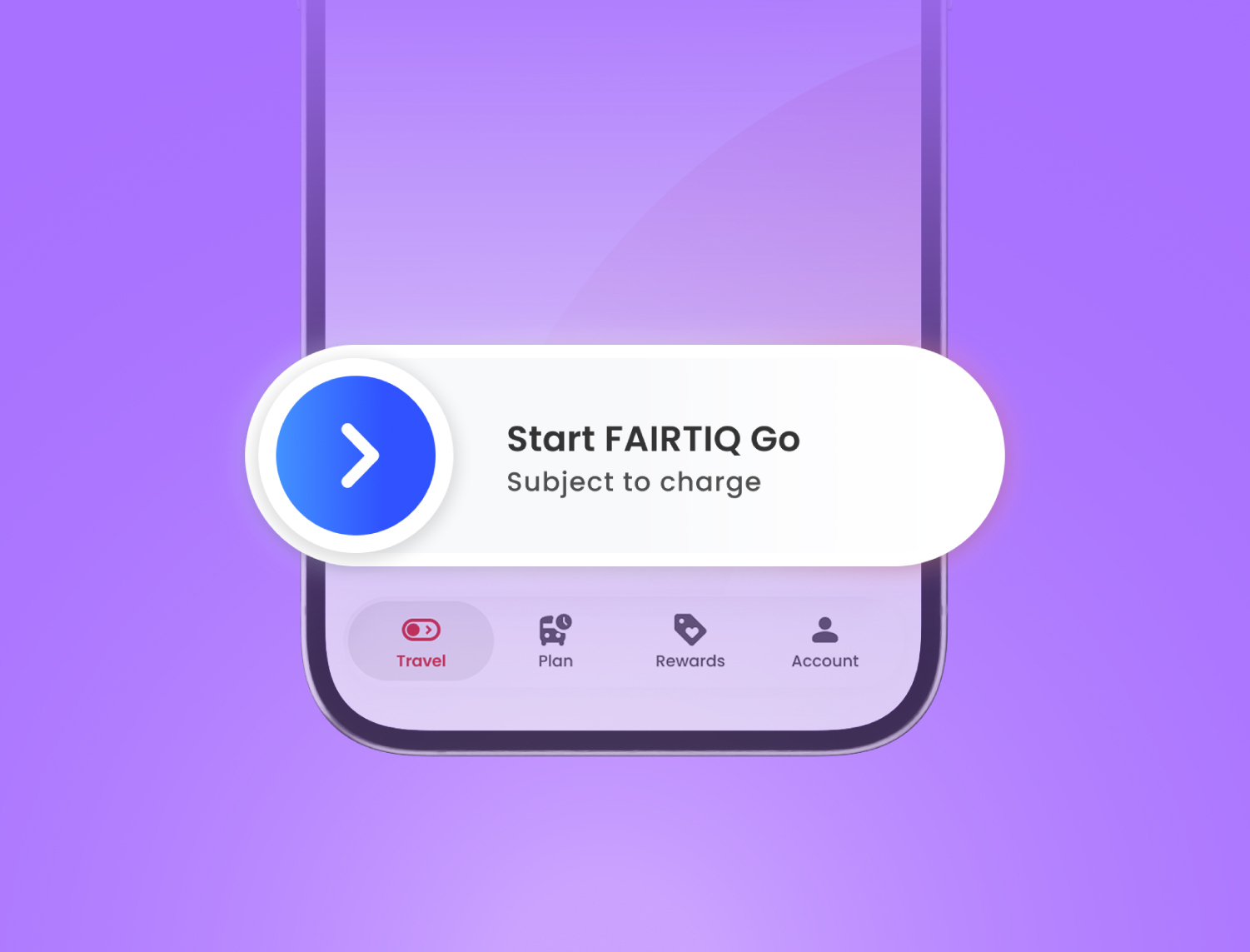
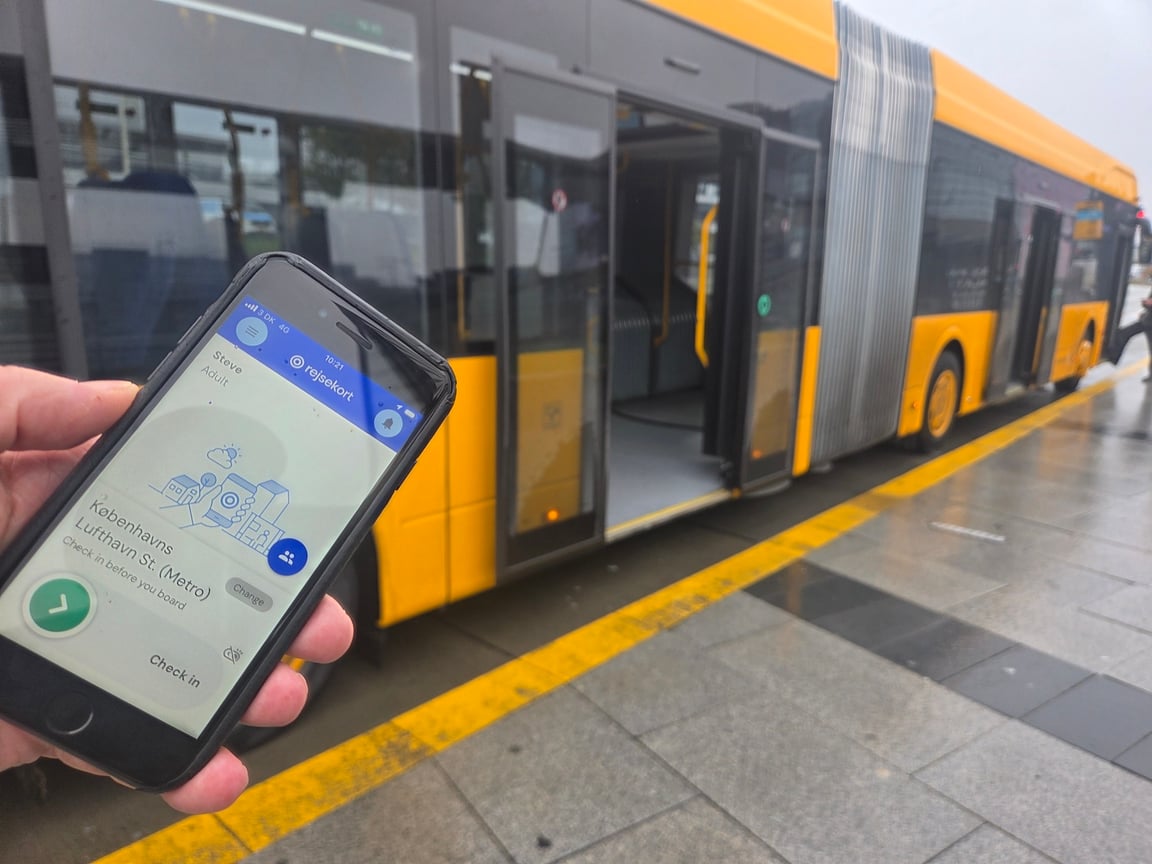
With FAIRTIQ, passengers check in on their smartphones before boarding. At their destination, they can check out after leaving the bus, even several minutes later. The app is designed to recognise where passengers alighted and calculate the appropriate fare.
FAIRTIQ's Smart Stop feature reminds passengers when they forget to check out. The technology can detect when passengers are no longer travelling on public transport and prompt them to end their journey. Smart Stop can also automatically end eligible journeys, helping passengers avoid unnecessary charges.
By allowing passengers to check in and out outside the vehicle, FAIRTIQ helps reduce dwell times at bus stops.
With FAIRTIQ, passengers can check in before boarding and check out after leaving the vehicle. This allows operators to make use of all available doors for boarding and alighting, rather than directing everyone through the front door.
All-door boarding can improve the passenger experience, reduce dwell times and help buses run more punctually. Shorter stops may also help reduce congestion, particularly where stationary buses obstruct other road users.
Watch this video comparing all-door boarding with front-door-only boarding.

Image: Excerpt from the all-door boarding comparison video.
| Boarding method | Passengers | Boarding time |
|---|---|---|
| All-door boarding | 37 | 26 seconds |
| Front-door-only boarding | 35 | 1 minute 19 seconds |
Several studies in North America have highlighted the benefits of all-door boarding:
All-door boarding can be implemented with contactless bank card payments (cEMV), but this generally requires reliable validators at each door to process tap-ons and tap-offs. Installing and maintaining this equipment represents a significant investment for operators.
FAIRTIQ offers an alternative: smartphone-based check-in and check-out that enables all-door boarding without the need to install additional ticketing hardware on vehicles.
Bus drivers already face numerous challenges, from navigating congested roads to maintaining schedules and assisting passengers who need support. Fare-related disputes can add further pressure.
By reducing the need for drivers to handle ticket sales and fare-related interactions, all-door boarding can help create a smoother working environment and prevent unnecessary delays. Ticket validation and fraud detection can be supported by dedicated inspection processes and back-office technology.
FAIRTIQ's smart ticketing technology can help public transport operators reduce dwell times and introduce all-door boarding without the expense of installing validators at every door.
Faster, more reliable services can reduce operating costs, improve passenger satisfaction and encourage more people to choose public transport.

Don’t miss out!


 Get the app

 Discover our customer stories